

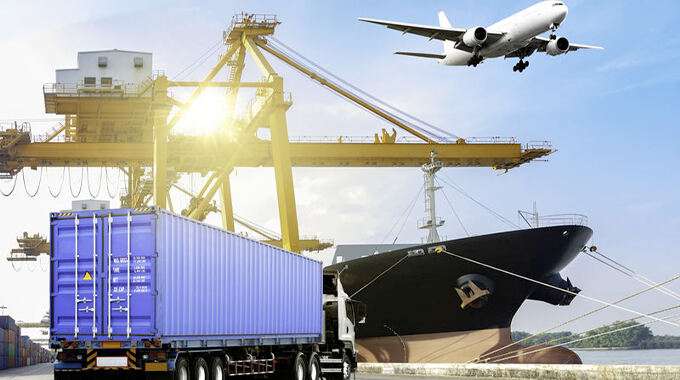
As global commerce becomes increasingly complex, the logistics industry is undergoing rapid and transformative changes. Driven by technological innovation, evolving consumer expectations, environmental concerns, and globalization, the future of Logistics Solutions s is being redefined. Companies that can adapt to these trends will not only survive but thrive in an increasingly competitive landscape. Understanding the forces at play is crucial for stakeholders aiming to remain relevant and efficient.
One of the most influential factors shaping the future of logistics is technological advancement. Artificial Intelligence (AI), machine learning, and data analytics are revolutionizing supply chain management by enabling smarter forecasting, route optimization, and predictive maintenance. AI can quickly analyze massive datasets to predict demand fluctuations, reducing waste and ensuring faster delivery times. Meanwhile, Internet of Things (IoT) devices attached to shipments are providing real-time tracking information, increasing transparency and enhancing customer satisfaction. The automation of warehouses through robotics is also boosting efficiency and reducing human error, offering a glimpse into a future where supply chains operate with minimal human intervention.
Another significant trend is the rise of e-commerce, which has permanently changed customer expectations. The demand for faster and more flexible delivery options is compelling logistics providers to rethink traditional models. Same-day or even same-hour delivery services are becoming increasingly common in urban areas. To meet these expectations, companies are investing heavily in last-mile delivery innovations, including drones and autonomous vehicles. Moreover, micro-fulfillment centers are being established closer to consumers to expedite the delivery process, reshaping urban logistics landscapes.
Sustainability is also emerging as a major driver of change within the logistics sector. Companies and consumers alike are placing greater emphasis on reducing carbon footprints. Green logistics practices, such as optimizing delivery routes, adopting electric vehicles, and utilizing sustainable packaging, are becoming industry standards rather than differentiators. Governments around the world are introducing regulations to curb emissions, pushing logistics providers to integrate environmentally friendly practices into their operations. The circular economy concept, where products are reused, refurbished, and recycled, is influencing logistics strategies, leading to the development of reverse logistics systems that are more efficient and eco-conscious.
Globalization continues to affect the logistics industry, but recent disruptions such as the COVID-19 pandemic and geopolitical tensions have exposed vulnerabilities in global supply chains. As a result, there is a growing trend toward regionalization and nearshoring, where companies move production closer to end markets to mitigate risks. This shift requires logistics providers to develop more resilient, flexible networks capable of adapting to changing conditions rapidly. Additionally, companies are diversifying their supplier bases and investing in technologies that offer better visibility into every tier of their supply chains.
Lastly, customer-centricity is reshaping logistics services. Businesses are no longer focused solely on moving goods from point A to point B; they are aiming to create superior experiences for their customers. Personalized delivery options, easy returns, and proactive communication are becoming expected elements of service. To achieve this, logistics companies must leverage big data and customer relationship management (CRM) tools to better understand and anticipate customer needs.
In conclusion, the future of logistics services will be shaped by the integration of advanced technologies, the rise of e-commerce, the push for sustainability, the reconfiguration of global supply chains, and a strong focus on customer experience. Companies that proactively embrace these trends will set themselves apart in a dynamic, rapidly evolving industry. As logistics continues to serve as the backbone of the global economy, its evolution promises to be one of the most fascinating transformations of the modern era.