

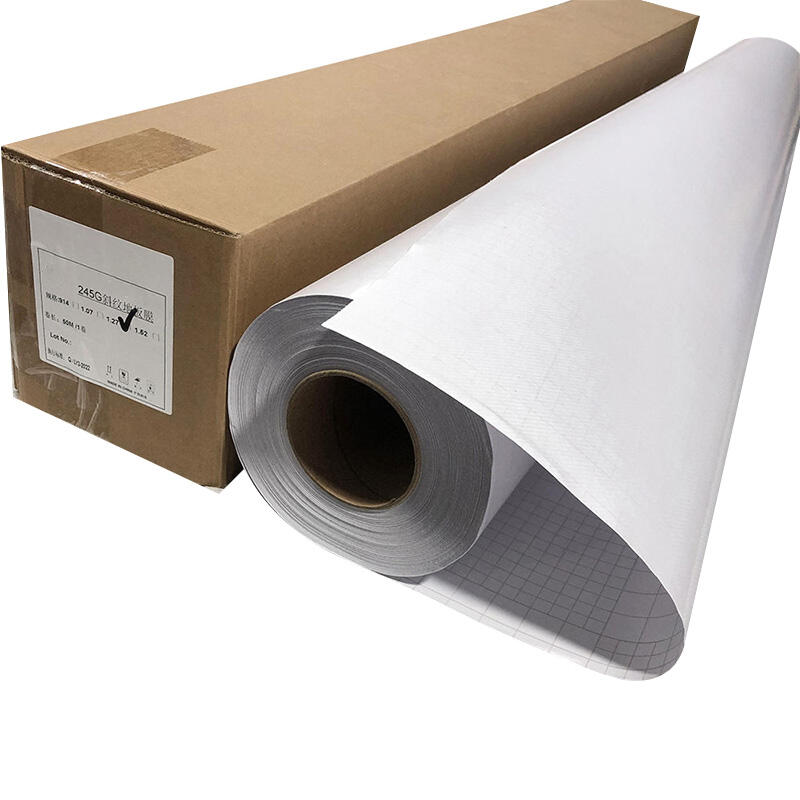
Digital printing systems have rapidly evolved over the past decade, transforming industries ranging from publishing and packaging to textiles and marketing. As we look ahead to the future, the landscape of digital printing is poised for even greater innovation. Technological advancements, sustainability efforts, and shifting consumer demands are driving the evolution of Decorative Vinyl s. Here’s a look at some of the key innovations and trends shaping the future of this exciting field.
1. Advancements in Inkjet and Laser Technologies
Inkjet and laser printing technologies have long been the backbone of digital printing, and they continue to see significant advancements. In 2025, inkjet technology is expected to dominate the market due to its versatility and ability to print on a wide range of materials. New developments in printheads, inks, and precision controls are enabling faster printing speeds, higher-quality output, and the ability to print on previously challenging substrates, such as textiles, metal, and ceramics.
Laser printing is also evolving, with new systems providing faster output, lower costs, and more energy-efficient solutions. The continued development of digital laser printers will allow industries such as packaging, publishing, and textiles to meet the growing demand for high-quality, on-demand print jobs.
2. Customization and Personalization
The demand for customized and personalized products is increasing across multiple industries, and digital printing is at the heart of this trend. Digital systems allow businesses to create unique, one-of-a-kind products quickly and cost-effectively. From custom packaging and personalized marketing materials to bespoke clothing and home décor, digital printing enables companies to meet the growing desire for individualized items.
In the future, digital printers will become even more capable of personalizing products at scale. New software tools powered by artificial intelligence (AI) and machine learning will allow businesses to automate personalization, enabling the efficient production of tailored products in real time. This will be especially beneficial in the direct-to-consumer (DTC) space, where personalization is a key driver of consumer engagement.
3. Sustainability and Eco-Friendly Printing Solutions
As environmental concerns continue to grow, the future of digital printing will undoubtedly be shaped by sustainability efforts. Manufacturers are increasingly focusing on reducing the environmental impact of digital printing through innovations like eco-friendly inks, recyclable substrates, and energy-efficient systems. For example, water-based inks and UV-curable inks are being developed to reduce the environmental footprint of the printing process.
Moreover, advancements in print-on-demand technology are reducing waste in the industry by minimizing the need for large print runs. This is particularly advantageous for the packaging sector, where overproduction can result in significant waste. By adopting digital printing systems, companies can print only what is needed, further minimizing their environmental impact.
4. Integration with Augmented Reality (AR) and Smart Packaging
The integration of augmented reality (AR) with digital printing is an exciting development that will continue to grow in importance. By combining printed materials with AR technology, businesses can create interactive experiences for consumers. For example, packaging can feature QR codes or AR markers that, when scanned, provide customers with access to additional content, product information, or even virtual try-on experiences.
Smart packaging, which incorporates technologies such as RFID (Radio Frequency Identification) and QR codes, is also on the rise. These innovations allow for real-time tracking of products, personalized consumer engagement, and even enhanced brand experiences. Digital printing will play a crucial role in the future of smart packaging by enabling the mass customization and integration of these technologies into everyday products.
5. The Rise of 3D Printing and Hybrid Systems
In recent years, 3D printing has been making waves in industries such as manufacturing, healthcare, and automotive. As 3D printing systems become more advanced and affordable, they are being integrated into digital printing workflows to produce complex, multi-dimensional objects. Hybrid systems that combine traditional 2D digital printing with 3D printing capabilities are also emerging, offering businesses the ability to create products that are both printed and 3D-formed in a single process.
This convergence of digital printing and 3D printing opens up new possibilities for product design, prototyping, and production. In the future, we can expect a surge in industries using hybrid systems to create innovative and functional designs, further blurring the lines between digital and physical manufacturing.
Conclusion
The future of digital printing systems is an exciting one, filled with groundbreaking innovations and trends. As technology continues to evolve, the possibilities for customization, sustainability, and interactivity will expand, offering businesses unprecedented opportunities to connect with consumers and reduce their environmental footprint. With advances in inkjet and laser printing technologies, personalization, eco-friendly solutions, AR integration, and hybrid systems, digital printing will continue to play a pivotal role in shaping the way products are created, marketed, and consumed in the years to come.