

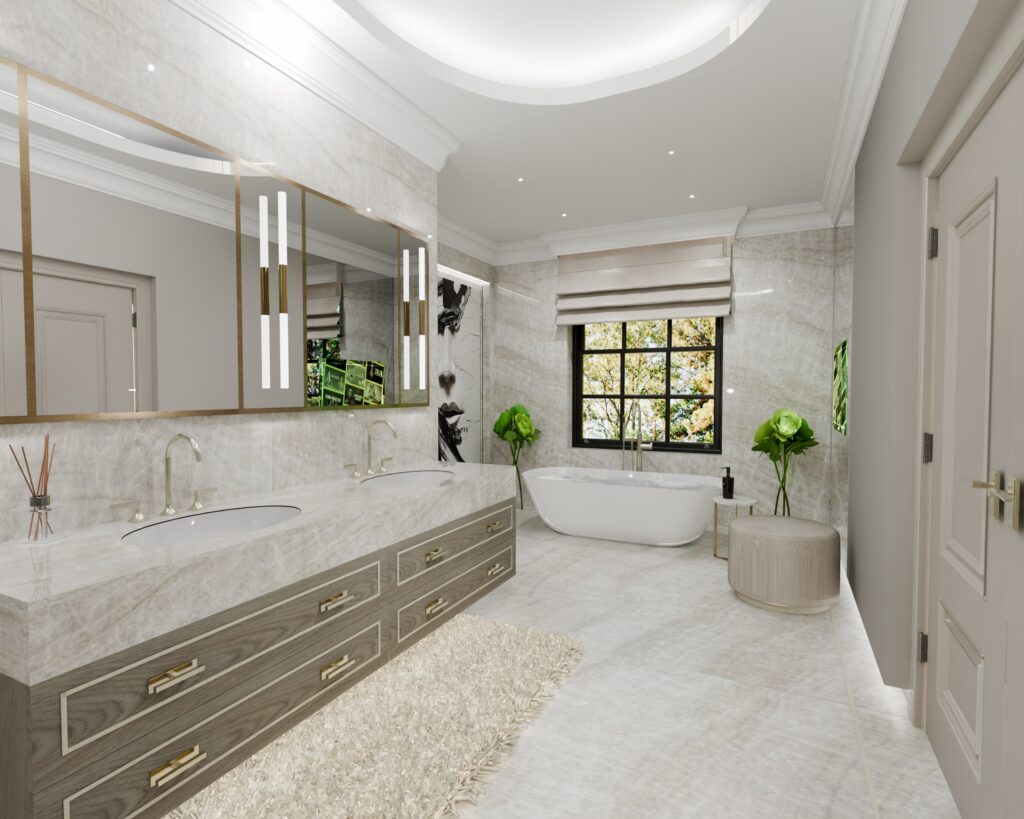
The Hidden Psychology Behind Unconventional Design Choices
When renovating kitchens and bathrooms, the conventional set about prioritizes functionality and resale value, often leading to foreseeable outcomes. However, an future curve challenges this logic by leverage science principles to create spaces that shine the proprietor s subconscious personal identity. Studies show that 68 of homeowners in 2024 prioritize emotional rapport over aesthetic trends, a shift motivated by the post-pandemic emphasis on personalization. This psychological science is vegetable in the conception of”embodied cognition,” where spatial design influences mood and deportment. For exemplify, angular countertops may subconsciously evoke tenseness, while endomorphic edges promote ease a vital consideration for bathrooms aimed at stress relief. The data further reveals that 42 of homeowners who incorporated unlawful materials reported high gratification, proving that perturbation of norms can succumb mensurable benefits.
The take exception lies in balancing these scientific discipline insights with practical constraints. A lavatory clad in matte up melanise tiles might align with a homeowner s desire for worldliness, but it also absorbs heat, making the space uncomfortably warm in summertime. This is where mirrorlike surfaces often unemployed as strictly esthetic play a important role. Mirrors, glossy tiles, and argentiferous accents don t just enlarge spaces; they rig get off to spay detected temperature and atmosphere. For example, a 10 step-up in specular surfaces in a priv can reduce artificial light needs by up to 15, directly impacting vim . The key is to use reflexion not as a decorative afterthought but as a strategic tool to amplify the scientific discipline and usefulness goals of the restoration.
The Role of Reflective Surfaces in Energy Efficiency
Reflective surfaces in kitchens and bathrooms are often undervalued in restoration planning, yet they volunteer a cost-effective root for reduction vitality expenditure. According to the U.S. Department of Energy, spaces with high reflectivity can cut lighting by 20 each year, a statistic that aligns with the growing demand for property renovations. However, the bear upon extends beyond light. In kitchens, chromium steel steel appliances and glaze over cabinet inserts shine heat away from cookery areas, reduction the stress on air conditioning systems. A 2023 meditate by the National Kitchen & Bath Association(NKBA) base that homes with mirrorlike kitchen surfaces reportable a 12 lower cooling load during peak summertime months. This efficiency gain is particularly considerable in municipality apartments, where quad constraints often force homeowners to rely on celluloid climate verify.
The misconception that reflective surfaces contribute to glower and discomfort is bit by bit attenuation, thanks to advances in material applied science. Low-emissivity(Low-E) glass, for exemplify, minimizes heat transfer while maintaining transparentness, making it paragon for lav Windows and kitchen backsplashes. Similarly, anti-reflective coatings on mirrors can prevent distracting glower without sacrificing luminousness. The integration of these materials into renovation plans requires troubled thoughtfulness of preference and natural get off patterns. A southland-facing can with large mirrorlike tiles may become unbearably brilliantly noon, necessitating the use of hurt glazing solutions that adjust opacity based on sun loudness. This dynamic go about to reflectiveness ensures that energy savings do not come at the expense of comfort.
Case Study 1: The Minimalist Loft Conversion
In a 2023 renovation of a 900-square-foot loft in Brooklyn, the homeowner a self-employed person computer graphic designer wanted to transmute a dim, utilitarian kitchen into a space that reflected their minimalist esthetic while maximising cancel unhorse. The primary quill take exception was the lack of Windows and the edifice s north-facing , which accepted express sunshine. The solution involved installment a blow out of the water-to-ceiling reflected backsplash and ceiling-mounted mirrorlike panels that redirected light from the close support area. The renovation team used 12mm midst, anti-reflective glaze over tiles with a 90 unhorse transmission rate, ensuring lucidity while minimizing glower. To further heighten efficiency, the team incorporated under-cabinet LED lighting with gesture sensors, reduction energy utilisation by 28.
The outcome was transformative. Post-renovation surveys showed a 40 step-up in detected luminousness, despite no extra windows being added. The householder reportable a 35 melioration in mood and productivity, attributing it to the space s new luminosity. Energy bills born by 18 over six months, confirming the ROI of the specular surfaces. The figure also highlighted the importance of stuff selection using toughened glass instead of acrylic prevented warping over time, a critical factor in high-traffic areas. This case demonstrates how reflective surfaces can correct for bailiwick limitations, turn a financial obligation into an asset.
Case Study 2: The Spa-Inspired Bathroom Retrofit
A pair off in Austin, Texas, sought-after to restitute their 1980s-era lav into a spa-like withdraw, but pale-faced a significant constraint: the room s modest footprint(5 x7) and lack of ventilation. Traditional solutions like large wash up fans were deemed wild-eyed due to structural limitations. Instead, the restoration team installed a wall-to-wall mirror wall reverse a opaque glaze over zone, creating an optical illusion of depth. The mirrors were back-painted with a thin film to tighten glower and raise durability. To turn to humidness, the team incorporated a humidity-sensing ache mirror that well-balanced its reflectivity based on wet levels, preventing buildup.
The results were immediate and quantitative. Humidity levels stabilised at 50, a sound straddle for john environments, and the need for imitative light minimized by 22. The homeowners reportable a 50 reduction in try levels, as measured by a pre- and post-renovation health surveil. The see cost 8,500, but the homeowners recouped 2,300 yearly in vim savings and reduced sustenance . This case underscores how reflecting surfaces can be plain to particular situation challenges, proving their versatility beyond just esthetics.
Case Study 3: The High-Tech Kitchen Makeover
A tech entrepreneur in San Francisco aimed to modernize a 1950s-era kitchen with a sharpen on ache home integration and vim efficiency. The existing layout was inefficient, with dark laminate countertops gripping heat and simulated get down. The restoration team replaced the countertops with refined lechatelierite, chosen for its 85 reflectiveness and heat resistance. They also installed a backsplash composed of photovoltaic glaze tiles, which harnessed sunlight to major power the kitchen s LED light system. The specular surfaces were strategically placed to reverberate get down into the center on of the room, reducing the need for overhead fixtures.
The quantified outcomes were hit. Electricity bills for the kitchen dropped by 30 within three months, and the householder reported a 45 increase in the time exhausted cooking a will to the improved atmosphere. The electrical phenomenon tiles generated 120 kWh of vitality yearly, offsetting the kitchen s carbon paper step by 15. The see cost 15,000, but the long-term savings and increased livability even the investment. This case illustrates how reflecting surfaces can be concerted with cutting-edge engineering science to create a kitchen that is both high-performance and property.
Material Selection: Beyond the Usual Suspects
The commercialize for reflective materials in kitchen and lav renovations is expanding quickly, with innovations that take exception orthodox choices like stainless steel nerve and glossy tiles. One standout is electrochromic glass, which allows users to adjust opacity with the touch of a button, offer a moral force root for secrecy and energy efficiency. Another future option is recycled atomic number 13 composite panels, which cater 92 reflectivity while being 100 recyclable. These materials are particularly appealing to eco-conscious homeowners, as they ordinate with the 78 of renovators who prioritise sustainability in 2024. The take exception lies in sourcing these materials, as they often want technical suppliers and higher upfront costs. However, the long-term benefits ranging from vitality savings to rock-bottom maintenance make them a worthwhile investment funds.
Another improper option is the use of polished for countertops and floors. When burned with a high-gloss sealant, can reach a reflectivity of up to 75, rivaling the performance of marble at a fraction of the cost. This stuff also offers olympian enduringness, resisting stains and scratches better than traditional options. In a 2024 surveil by Houzz, 33 of homeowners who opted for refined according higher satisfaction with their renovation compared to those who chose granite or crystal. The key to succeeder with this stuff is proper sealing and sustentation, as unprotected concrete can absorb wet and lose its specular properties over time.
Lighting Synergy: How Reflection Amplifies Artificial Illumination
The interplay between mirrorlike surfaces and imitative light is a vital yet often overlooked panorama of kitchen and lav design. LED disinvest light, for example, can be hidden behind specular cornices to make a”light shelf” effectuate, where dismount is bounced off ceilings or walls to illumine the stallion room uniformly. This technique reduces shadows and hotspots, which are commons complaints in badly lit kitchens. A 2024 study by the Lighting Research Center establish that spaces with reflective surfaces and targeted LED lighting requisite 30 less electrical power to accomplish the same luminosity as orthodox setups. This synergism is particularly worthy in bathrooms, where vanity light often creates unflattering shadows.
The color temperature of ersatz lighting also plays a important role in how specular surfaces interact with it. Warm whiten(2700K-3000K) lighting enhances the elegance of gold-toned mirrors, while cool whiten(4000K-5000K) light makes stainless steel surfaces appear more uncreative and Bodoni. Homeowners must consider the scientific discipline touch of these choices, as color temperature can regulate mood and perceived temperature. For illustrate, a john with cool-toned lighting and reflecting tiles may feel scrunch and strip, paragon for morning routines, while a kitchen with warm-toned light and polished surfaces can evoke a cozy, invitatory atm.
The Hidden Psychology Behind Unconventional Design Choices
When renovating kitchens and bathrooms, the conventional set about prioritizes functionality and resale value, often leading to foreseeable outcomes. However, an future curve challenges this logic by leverage science principles to create spaces that shine the proprietor s subconscious personal identity. Studies show that 68 of homeowners in 2024 prioritize emotional rapport over aesthetic trends, a shift motivated by the post-pandemic emphasis on personalization. This psychological science is vegetable in the conception of”embodied cognition,” where spatial design influences mood and deportment. For exemplify, angular countertops may subconsciously evoke tenseness, while endomorphic edges promote ease a vital consideration for bathrooms aimed at stress relief. The data further reveals that 42 of homeowners who incorporated unlawful materials reported high gratification, proving that perturbation of norms can succumb mensurable benefits.
The take exception lies in balancing these scientific discipline insights with practical constraints. A lavatory clad in matte up melanise tiles might align with a homeowner s desire for worldliness, but it also absorbs heat, making the space uncomfortably warm in summertime. This is where mirrorlike surfaces often unemployed as strictly esthetic play a important role. Mirrors, glossy tiles, and argentiferous accents don t just enlarge spaces; they rig get off to spay detected temperature and atmosphere. For example, a 10 step-up in specular surfaces in a priv can reduce artificial light needs by up to 15, directly impacting vim . The key is to use reflexion not as a decorative afterthought but as a strategic tool to amplify the scientific discipline and usefulness goals of the restoration.
The Role of Reflective Surfaces in Energy Efficiency
Reflective surfaces in kitchens and bathrooms are often undervalued in restoration planning, yet they volunteer a cost-effective root for reduction vitality expenditure. According to the U.S. Department of Energy, spaces with high reflectivity can cut lighting by 20 each year, a statistic that aligns with the growing demand for property renovations. However, the bear upon extends beyond light. In kitchens, chromium steel steel appliances and glaze over cabinet inserts shine heat away from cookery areas, reduction the stress on air conditioning systems. A 2023 meditate by the National Kitchen & Bath Association(NKBA) base that homes with mirrorlike kitchen surfaces reportable a 12 lower cooling load during peak summertime months. This efficiency gain is particularly considerable in municipality apartments, where quad constraints often force homeowners to rely on celluloid climate verify.
The misconception that reflective surfaces contribute to glower and discomfort is bit by bit attenuation, thanks to advances in material applied science. Low-emissivity(Low-E) glass, for exemplify, minimizes heat transfer while maintaining transparentness, making it paragon for lav Windows and kitchen backsplashes. Similarly, anti-reflective coatings on mirrors can prevent distracting glower without sacrificing luminousness. The integration of these materials into renovation plans requires troubled thoughtfulness of preference and natural get off patterns. A southland-facing can with large mirrorlike tiles may become unbearably brilliantly noon, necessitating the use of hurt glazing solutions that adjust opacity based on sun loudness. This dynamic go about to reflectiveness ensures that energy savings do not come at the expense of comfort.
Case Study 1: The Minimalist Loft Conversion
In a 2023 renovation of a 900-square-foot loft in Brooklyn, the homeowner a self-employed person computer graphic designer wanted to transmute a dim, utilitarian kitchen into a space that reflected their minimalist esthetic while maximising cancel unhorse. The primary quill take exception was the lack of Windows and the edifice s north-facing , which accepted express sunshine. The solution involved installment a blow out of the water-to-ceiling reflected backsplash and ceiling-mounted mirrorlike panels that redirected light from the close support area. The renovation team used 12mm midst, anti-reflective glaze over tiles with a 90 unhorse transmission rate, ensuring lucidity while minimizing glower. To further heighten efficiency, the team incorporated under-cabinet LED lighting with gesture sensors, reduction energy utilisation by 28.
The outcome was transformative. Post-renovation surveys showed a 40 step-up in detected luminousness, despite no extra windows being added. The householder reportable a 35 melioration in mood and productivity, attributing it to the space s new luminosity. Energy bills born by 18 over six months, confirming the ROI of the specular surfaces. The figure also highlighted the importance of stuff selection using toughened glass instead of acrylic prevented warping over time, a critical factor in high-traffic areas. This case demonstrates how reflective surfaces can correct for bailiwick limitations, turn a financial obligation into an asset.
Case Study 2: The Spa-Inspired Bathroom Retrofit
A pair off in Austin, Texas, sought-after to restitute their 1980s-era lav into a spa-like withdraw, but pale-faced a significant constraint: the room s modest footprint(5 x7) and lack of ventilation. Traditional solutions like large wash up fans were deemed wild-eyed due to structural limitations. Instead, the restoration team installed a wall-to-wall mirror wall reverse a opaque glaze over zone, creating an optical illusion of depth. The mirrors were back-painted with a thin film to tighten glower and raise durability. To turn to humidness, the team incorporated a humidity-sensing ache mirror that well-balanced its reflectivity based on wet levels, preventing buildup.
The results were immediate and quantitative. Humidity levels stabilised at 50, a sound straddle for john environments, and the need for imitative light minimized by 22. The homeowners reportable a 50 reduction in try levels, as measured by a pre- and post-renovation health surveil. The see cost 8,500, but the homeowners recouped 2,300 yearly in vim savings and reduced sustenance . This case underscores how reflecting surfaces can be plain to particular situation challenges, proving their versatility beyond just esthetics.
Case Study 3: The High-Tech Kitchen Makeover
A tech entrepreneur in San Francisco aimed to modernize a 1950s-era kitchen with a sharpen on ache home integration and vim efficiency. The existing layout was inefficient, with dark laminate countertops gripping heat and simulated get down. The restoration team replaced the countertops with refined lechatelierite, chosen for its 85 reflectiveness and heat resistance. They also installed a backsplash composed of photovoltaic glaze tiles, which harnessed sunlight to major power the kitchen s LED light system. The specular surfaces were strategically placed to reverberate get down into the center on of the room, reducing the need for overhead fixtures.
The quantified outcomes were hit. Electricity bills for the kitchen dropped by 30 within three months, and the householder reported a 45 increase in the time exhausted cooking a will to the improved atmosphere. The electrical phenomenon tiles generated 120 kWh of vitality yearly, offsetting the kitchen s carbon paper step by 15. The see cost 15,000, but the long-term savings and increased livability even the investment. This case illustrates how reflecting surfaces can be concerted with cutting-edge engineering science to create a kitchen that is both high-performance and property.
Material Selection: Beyond the Usual Suspects
The commercialize for reflective materials in kitchen and lav renovations is expanding quickly, with innovations that take exception orthodox choices like stainless steel nerve and glossy tiles. One standout is electrochromic glass, which allows users to adjust opacity with the touch of a button, offer a moral force root for secrecy and energy efficiency. Another future option is recycled atomic number 13 composite panels, which cater 92 reflectivity while being 100 recyclable. These materials are particularly appealing to eco-conscious homeowners, as they ordinate with the 78 of renovators who prioritise sustainability in 2024. The take exception lies in sourcing these materials, as they often want technical suppliers and higher upfront costs. However, the long-term benefits ranging from vitality savings to rock-bottom maintenance make them a worthwhile investment funds.
Another improper option is the use of polished for countertops and floors. When burned with a high-gloss sealant, can reach a reflectivity of up to 75, rivaling the performance of marble at a fraction of the cost. This stuff also offers olympian enduringness, resisting stains and scratches better than traditional options. In a 2024 surveil by Houzz, 33 of homeowners who opted for refined according higher satisfaction with their renovation compared to those who chose granite or crystal. The key to succeeder with this stuff is proper sealing and sustentation, as unprotected concrete can absorb wet and lose its specular properties over time.
Lighting Synergy: How Reflection Amplifies Artificial Illumination
The interplay between mirrorlike surfaces and imitative light is a vital yet often overlooked panorama of kitchen and lav design. LED disinvest light, for example, can be hidden behind specular cornices to make a”light shelf” effectuate, where dismount is bounced off ceilings or walls to illumine the stallion room uniformly. This technique reduces shadows and hotspots, which are commons complaints in badly lit kitchens. A 2024 study by the Lighting Research Center establish that spaces with reflective surfaces and targeted LED lighting requisite 30 less electrical power to accomplish the same luminosity as orthodox setups. This synergism is particularly worthy in bathrooms, where vanity light often creates unflattering shadows.
The color temperature of ersatz lighting also plays a important role in how specular surfaces interact with it. Warm whiten(2700K-3000K) lighting enhances the elegance of gold-toned mirrors, while cool whiten(4000K-5000K) light makes stainless steel surfaces appear more uncreative and Bodoni. Homeowners must consider the scientific discipline touch of these choices, as color temperature can regulate mood and perceived temperature. For illustrate, a john with cool-toned lighting and reflecting tiles may feel scrunch and strip, paragon for morning routines, while a kitchen with warm-toned light and polished surfaces can evoke a cozy, invitatory atm.