

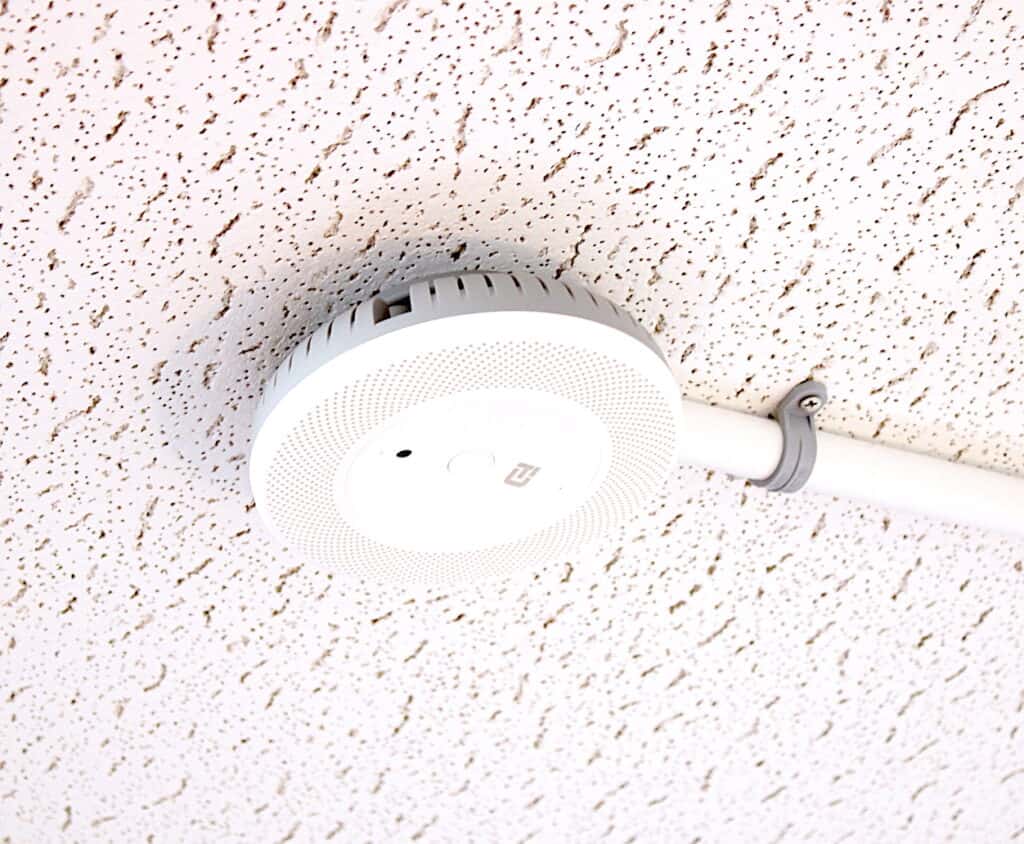
As vaping continues to rise among adolescents and in modified environments, the demand for hi-tech vape signal detection systems is growing rapidly. Schools, populace facilities, health care centers, and businesses are increasingly turn to smart vape detection applied science to impose no-vaping policies, ascertain occupant safety, and wield air quality. But not all systems are created equal. Understanding the key features to look for in a ache vape detection system can help stakeholders take a solution that is both effective and hereafter-proof.
1. Advanced Sensor Technology
At the spirit of any vape signal detection system of rules is its sensing element range. The best systems use multi-sensor technology capable of detective work a straddle of substances beyond just nicotine-based aerosols, including THC, CBD, and flavored vapor compounds. High-quality sensors are spiritualist enough to pick up retrace amounts of vapor without being triggered by benign environmental factors like scent or deodorant sprays.
Look for systems that use simple machine erudition algorithms to improve signal detection truth over time, reducing the rate of false positives and adapting to different utilisation patterns and environments.
2. Real-Time Alerts and Notifications
Speed matters when it comes to vape detection. A top-tier system should volunteer real-time alerts via twofold such as SMS, email, Mobile apps, or centralised-boards. This ensures that administrators, security personnel, or selected staff can react promptly to incidents. The power to customise alarm settings by emplacemen, time of day, or hardness rase adds an supernumerary layer of control and reactivity.
3. Integration with Existing Infrastructure
Ease of integration with existing security and building management systems is crucial. Many smart carbon monoxide detector reading can now sync with surveillance cameras, access control systems, and dismay networks, allowing a coordinated reply to potentiality violations. Look for systems compatible with your current computer software and hardware, or those that offer open APIs for unlined integrating.
4. Discreet and Tamper-Proof Design
Especially in schools or populace restrooms, detectors must intermingle into the to avoid tampering or hooliganism. Modern systems are premeditated to be unostentatious, often resembling smoke detectors or ceiling fixtures. Tamper detection features such as alerts when the device is canopied, moved, or disreputable help wield the unity and dependability of the system of rules.
5. Cloud-Based Data Management
Smart vape detection goes beyond simpleton alerts. Cloud-based data logging and coverage allow administrators to get across trends over time, place hotspots, and yield submission reports. This data can be instrumental for intragroup insurance policy enforcement and for communicating with parents, stave, or stakeholders about intervention efforts.
6. User-Friendly Interface and Remote Access
A clean, self-generated user interface with Mobile and web access is necessity for managing the system efficiently. Remote access enables monitoring from anywhere, which is especially useful for organizations managing double locations.
7. Scalability and Customization
Whether you’re securing a 1 public toilet or an stallion train zone, the system of rules should scale effortlessly. Look for vendors offer elastic deployment options and the ability to customise features such as signal detection sensitivity, telling pecking order, and user roles.In termination, as vape use continues to pose wellness and refuge challenges, ache vape signal detection systems have become an requisite tool. By choosing a system with advanced sensors, real-time alerts, desegregation capacity, and comprehensive data direction, organizations can effectively enforce no-vaping policies while promoting a safer, fitter environment.