

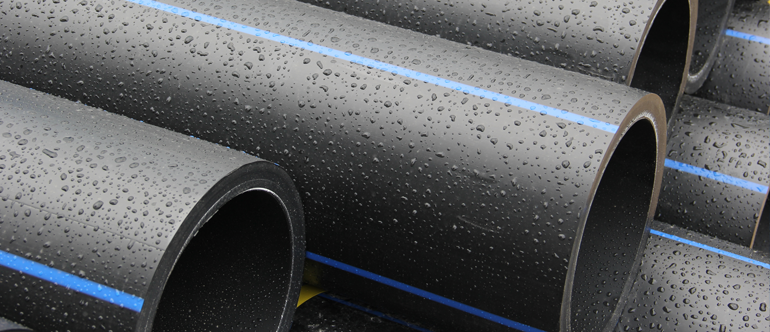
In recent years, the world has become increasingly aware of the importance of sustainability in all sectors, including construction and infrastructure. As concerns about climate change, pollution, and resource depletion rise, the push for more environmentally friendly materials is stronger than ever. One such material that has garnered significant attention is High-Density Polyethylene (HDPE) pipes. Widely used in various industries, including water and wastewater management, oil and gas transportation, and stormwater drainage, HDPE pipes offer numerous environmental benefits that make them a sustainable solution for the future.
Durability and Longevity
One of the most significant environmental advantages of HDPE pipes is their durability. HDPE is known for its resistance to corrosion, abrasion, and chemical damage, which ensures that these pipes have a long lifespan. Unlike traditional materials such as metal or concrete, HDPE does not rust or degrade when exposed to the elements. This longevity means fewer replacements and repairs, resulting in less waste being generated over time. By investing in HDPE pipes, municipalities and industries can significantly reduce the environmental impact associated with pipe replacement and repair activities.
Reduced Carbon Footprint
HDPE pipes contribute to a reduction in the carbon footprint of infrastructure projects. Manufacturing HDPE requires less energy compared to other materials like steel or concrete, which are energy-intensive to produce. The lightweight nature of HDPE pipes also means that transporting them requires less fuel, further reducing greenhouse gas emissions. Additionally, HDPE pipes are often produced using recycled materials, further minimizing their carbon impact. This makes HDPE pipes a more energy-efficient option throughout their life cycle, from production to installation and beyond.
Recyclability and Circular Economy
Another standout feature of HDPE pipes is their recyclability. HDPE is a thermoplastic, which means that it can be melted down and reformed into new products without compromising its integrity. As a result, when HDPE pipes reach the end of their service life, they can be collected and recycled, reducing the need for virgin plastic production. This aligns perfectly with the principles of a circular economy, where products are reused, repaired, or recycled rather than disposed of. By incorporating HDPE pipes into infrastructure, we can help close the loop on waste and promote a more sustainable and resource-efficient future.
Water and Energy Conservation
HDPE pipes are also beneficial when it comes to water and energy conservation. In water distribution systems, the smooth interior surfaces of HDPE Pipe reduce friction, which results in less energy being required to pump water through the system. This reduction in energy consumption translates into lower operating costs and fewer greenhouse gas emissions associated with water transport. Additionally, HDPE pipes are ideal for transporting water over long distances without losing water quality, which helps to conserve one of the planet’s most precious resources.
Leak Prevention and Reduced Environmental Contamination
One of the most significant environmental issues in water and sewage systems is leakage. Traditional pipes, especially those made from concrete or metal, are prone to leaks, which can lead to water wastage and soil contamination. HDPE pipes, on the other hand, are highly resistant to leaks due to their fusion welding technology. This ensures that the pipes form a tight, seamless bond that prevents water loss and minimizes the risk of contaminants entering the environment. As a result, HDPE pipes contribute to improved environmental protection and the conservation of natural resources.
Conclusion
In conclusion, HDPE pipes offer a sustainable solution for modern infrastructure needs. Their durability, recyclability, energy efficiency, and ability to reduce leakage and waste make them an environmentally friendly choice for water, sewage, and industrial piping systems. As the world moves toward more sustainable practices, HDPE pipes represent a key technology in building a greener, more efficient future for generations to come. By embracing HDPE, industries and municipalities can make significant strides toward reducing their environmental impact while ensuring that vital infrastructure remains reliable and resilient.