

Introduction
Ensuring safety in workplaces and heavy-duty facilities is a top priority, especially when dealing with wild gases. Many organizations face the challenge of detecting leaks, deadly exhaust, or oxygen deficiencies before they result in accidents, health risks, or dearly-won . Traditional safety measures often fall short, leaving employees and equipment weak to chancy conditions.
Modern applied science provides an operational root to these challenges. Gas detectors and gas analyzers deliver microscopic, real-time monitoring of gases, allowing immediate action to keep incidents. By incorporating these devices, businesses can exert a safer environment and ameliorate operational efficiency.
What Are Gas Detectors?
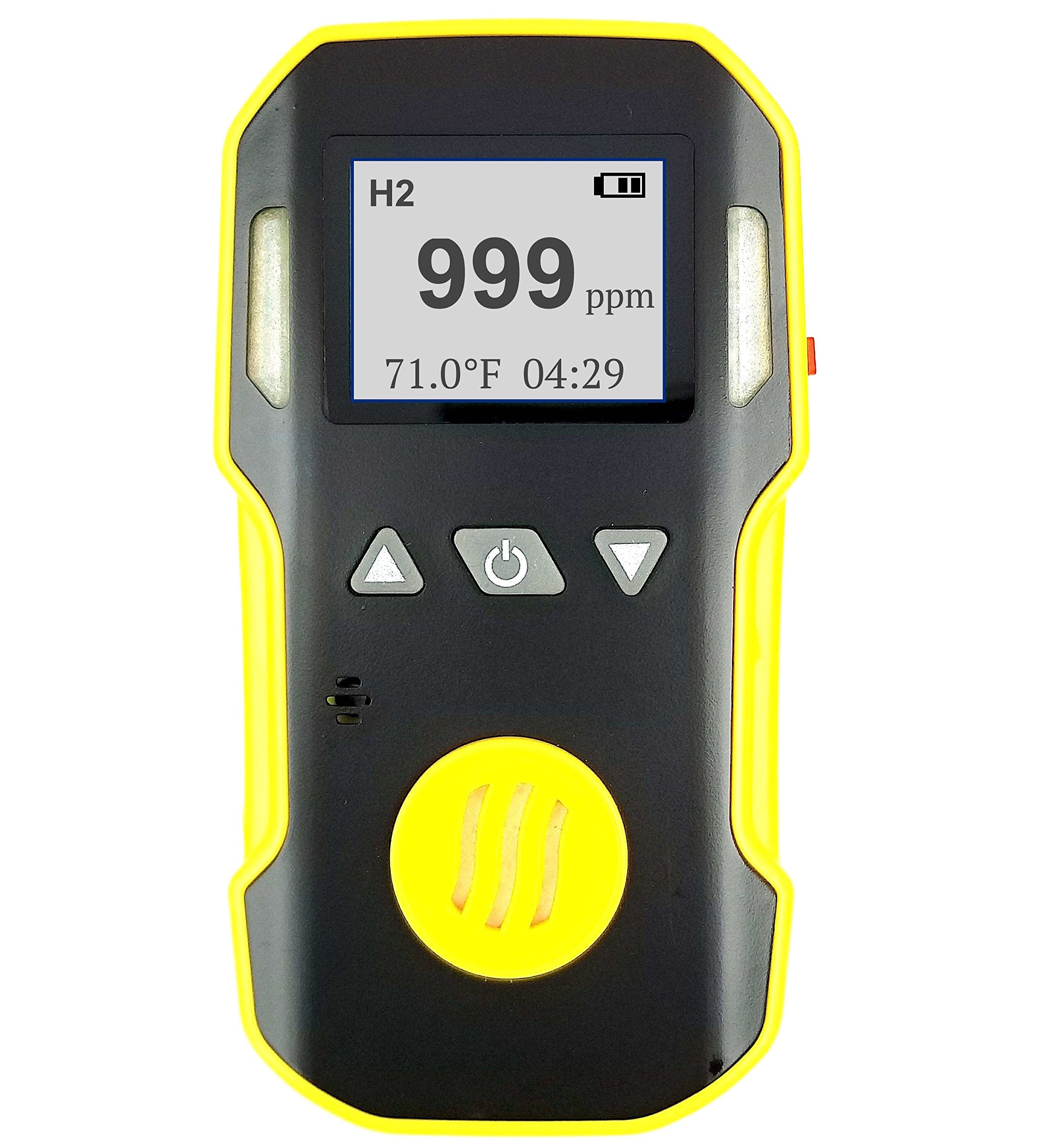
Gas detectors are specifically studied to feel the presence of vesicatory gases in a given area. They are widely used in industries such as manufacturing, oil and gas, chemical plants, and mining. Gas detectors do several large functions:
Detecting combustible gases: Preventing fires and explosions in high-risk areas.
Identifying harmful gases: Protecting employees from carbon paper monoxide, H sulfide, ammonia water, and other harmful substances.
Monitoring oxygen levels: Ensuring safe breathing conditions in restrained spaces or poorly ventilated areas.
Gas detectors come in outboard hand-held devices for personal safety and fixed installations for ceaseless facility monitoring. Advanced detectors can actuate alarms, actuate ventilation systems, or even initiate emergency shutdowns when parlous gas levels are perceived.
Understanding Gas Analyzers
Gas analyzers provide elaborate selective information about the type and concentration of gases present in the . Unlike detectors, which in the first place alarm users to peril, analyzers sharpen on measurement and verify, qualification them nonesuch for timber self-confidence and industrial work on optimisation. Key uses admit:
Industrial process verify: Ensuring on the nose chemical substance compositions during product.
Environmental monitoring: Tracking emissions to meet safety and regulative standards.
Laboratory explore: Providing exact c10 regulator measure for scientific experiments and depth psychology.
Common types of gas analyzers let in infrared emission analyzers, chemistry analyzers, and mass spectrometers, each plain for particular applications and levels of precision.
Benefits of Using Gas Detectors and Gas Analyzers
Incorporating gas detection and depth psychology into a facility provides eightfold advantages:
Enhanced refuge: Early detection prevents accidents, injuries, and fatalities.
Regulatory compliance: Helps organizations meet work safety laws and environmental standards.
Operational : Real-time monitoring improves workflow and reduces downtime.
Cost savings: Prevents to and reduces expenses related to to wellness incidents and production interruptions.
Conclusion
Gas detectors and gas analyzers are essential tools for maintaining safe, competent, and amenable heavy-duty and work environments. They provide critical early warnings of unsafe conditions while delivering precise data for work on verify and monitoring. Investing in these technologies ensures a safer work force, improved work efficiency, and long-term tribute against expensive accidents.